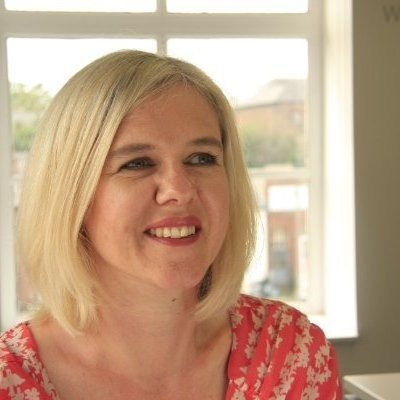
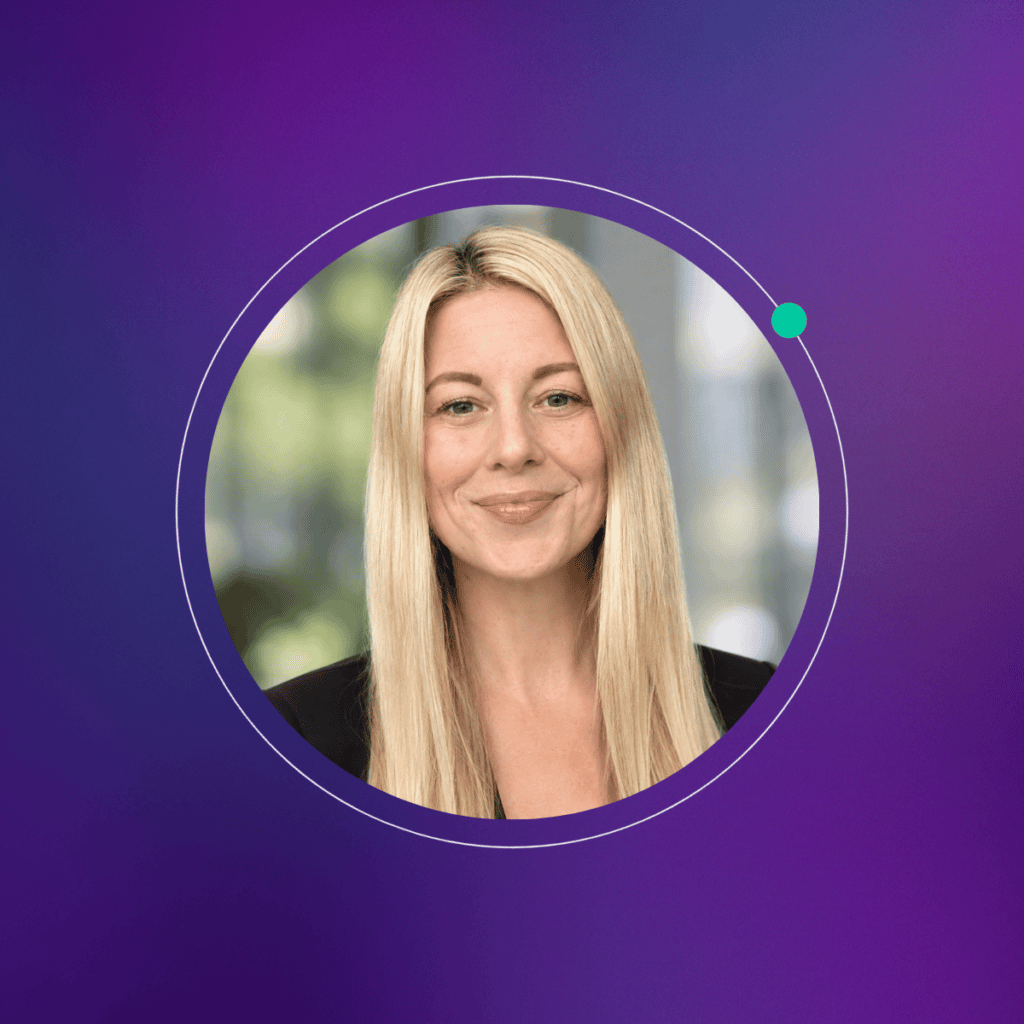
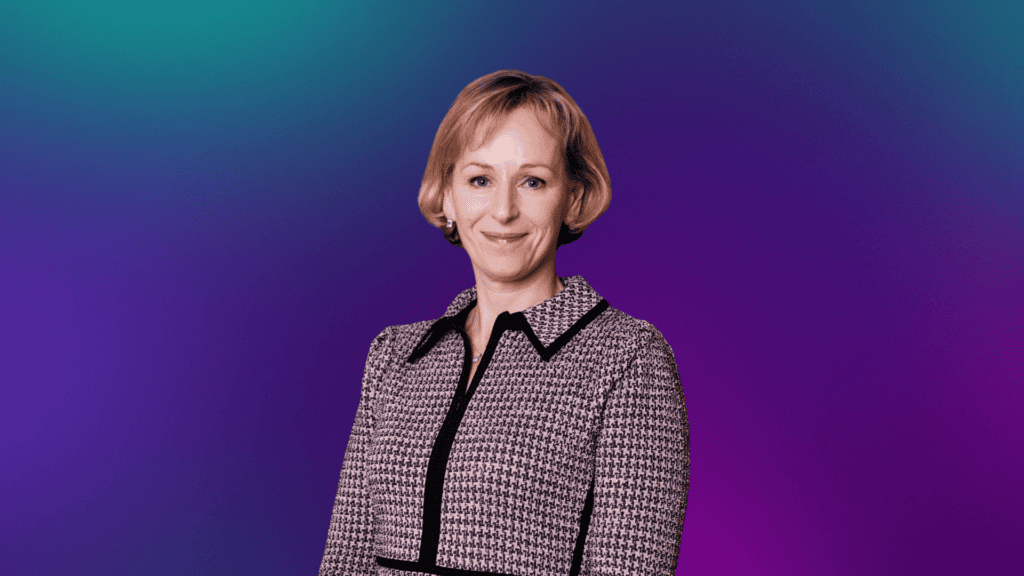
As part of this year’s MedComms Day theme, Pride in Profession, Jennifer Hodgkinson, Senior Vice President at Ashfield MedComms, shares a personal reflection on her 26-year journey in medical communications, from supporting the launch of Herceptin in 2004 to receiving the same treatment following her own breast cancer diagnosis.
Her story offers a unique perspective on the connection between medical communications and patient experience, reflecting on how her understanding of the industry evolved through both professional and personal experience.
I joined Gardiner-Caldwell Communications in 2000, a complete rookie to medical communications, I quickly caught the bug for this exciting industry.
In 2004, I was fortunate enough to work with Roche on the launch of Herceptin — a groundbreaking drug set to change the treatment paradigm for breast cancer and revolutionize outcomes for patients with HER2-positive disease. It was an incredibly exciting time, and being involved with such a blockbuster medicine made me immensely proud of the work we do day in and day out.
Fast forward to 2024. At almost 51 years old, I became eligible for my first mammogram. Working in this industry, we all understand the importance of screening, so I attended willingly. What followed was the start of a journey I had never anticipated.
Over the following weeks, after many hospital appointments, I was diagnosed with triple-positive breast cancer (ER+, PR+, HER2+). On 12 August 2024, I received the first of six cycles of chemotherapy alongside Herceptin injections. That same groundbreaking drug I had once been so proud to work on was now helping to save my life.
In January 2025, I underwent surgery following which I went on to receive 19 fractions of radiotherapy and nine cycles of Kadcyla. Throughout it all, I have been cared for incredibly by the breast team at Macclesfield Hospital and by the truly inspirational clinical oncologist, Dr Caroline Wilson, at The Christie Macclesfield.
What this experience has really brought home to me is that behind every clinical endpoint, every trial, and every communication we are part of, we are making a real difference. My whole perspective on our industry has changed — this is personal.
At some point, in some way, we are all patients. I could not be more grateful to the scientists, leading experts, clients, and every colleague I have worked with over the past 26 years for the immense dedication shown every single day to improving patient outcomes.
It is truly humbling to think that we get to play even a small part in the extraordinary scientific breakthroughs happening every day.
After cancer is hard. I never would have fully understood that before, but the fear and anxiety are next level. Navigating the PTSD and adjusting to a “new normal” can be incredibly tough.
I’m encouraged to see that some of our clients are also focusing their efforts on the psychological impact of receiving a cancer diagnosis. In many ways, once the treatment ends, the real trauma begins. The appointments become less frequent, the safety net feels further away, and you are left trying to process everything that has happened while finding the confidence to move forward again.
That experience has given me an even deeper appreciation for the importance of holistic patient support — not only improving survival outcomes but also recognizing the emotional and psychological journey that continues long after treatment ends.
To learn more about the work we do, visit the Ashfield MedComms website.