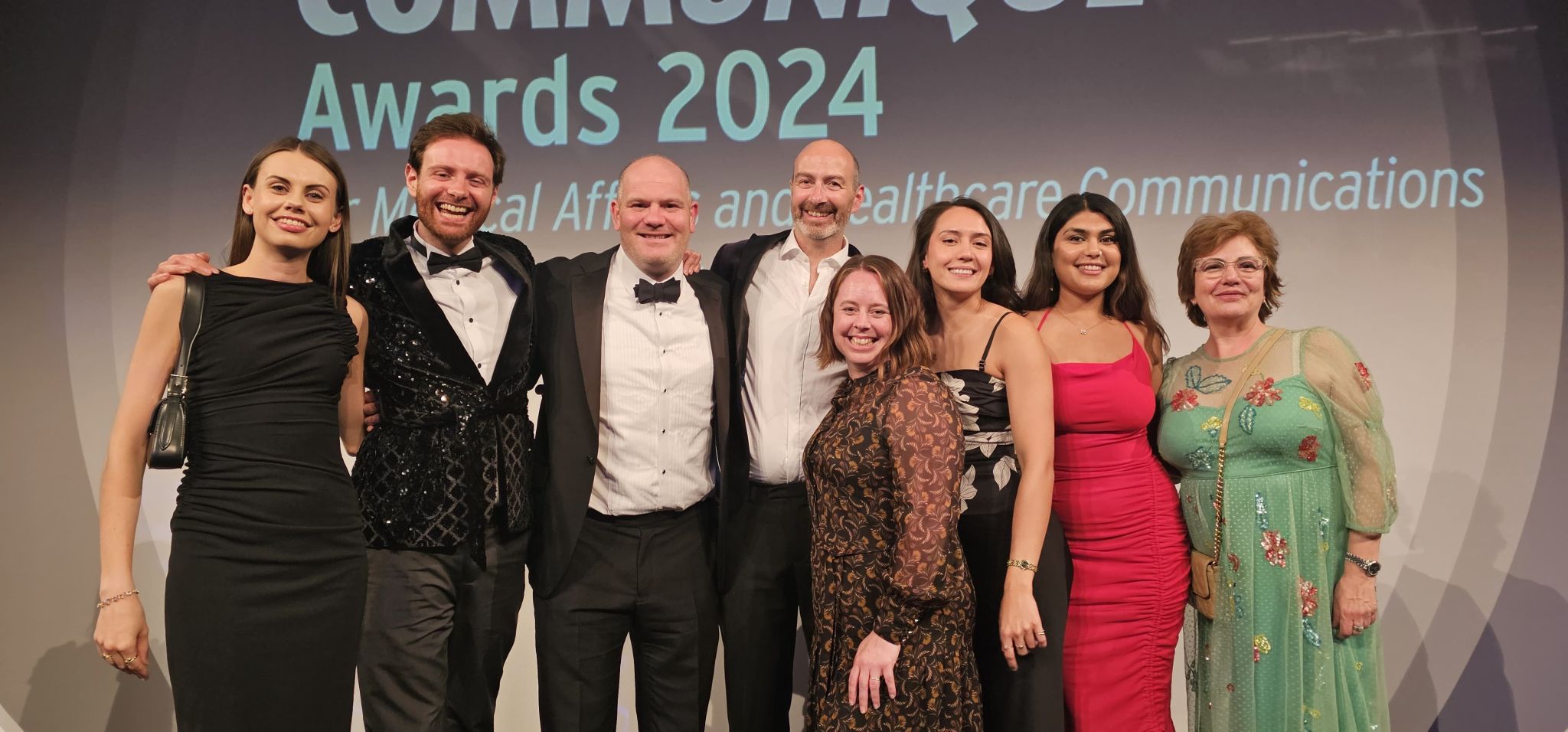
This insight is based on a roundtable interview with Krupa O’Neill, Medical Writing and Publications Lead, MEDiSTRAVA, Inizio Medical, and Daniela Anselmi, Market Research Lead, Research Partnership, Inizio Ignite who share their perspectives on how organizations can design and deliver market research that stands up to publication.
Across the life sciences industry, expectations around evidence generation are evolving. Clinical trial data alone are no longer enough to demonstrate value, shape stakeholder perceptions, or influence decision-making. Payers and other decision-makers increasingly require evidence that reflects real-world needs and demonstrates broader impact.
As a result, organizations are increasingly exploring market research for publication, using robust, insight-driven data to inform scientific dialogue, highlight unmet needs, and strengthening product narratives.
However, publishing market research brings a unique set of challenges. It requires more than strong insights. It demands scientific rigor, strategic alignment, and a narrative that can stand up to external scrutiny.
Expanding the role of market research
Clients today are under growing pressure to:
- Demonstrate value beyond clinical endpoints
- Communicate unmet needs within therapy areas
- Build trust with healthcare stakeholders
- Support medical affairs and evidence strategies
Market research can play a critical role in addressing these needs. When designed for publication, it can elevate insights beyond internal decision-making to influence broader scientific and clinical conversations.
That said, translating research findings into outputs that meet journal and congress standards is not always straightforward. Many organizations therefore seek specialist support to bridge this gap.
Start with the end in mind
A key success factor is timing.
Publication thinking should begin as early as possible in the research process.
By considering publication from the outset:
- Research questions become more focused and purposeful
- Methodologies can be aligned with peer-review expectations
- Outputs are designed to deliver a clear and meaningful “so what?”
Early planning also enables:
- Alignment with Good Publication Practice
- Engagement with external experts to strengthen credibility
- Integration with wider publication strategies across functions
This is particularly important when working with qualitative or perception-based data, where shaping a compelling scientific narrative requires careful forethought.
The value of an integrated approach
When market research and medical writing are designed together from the outset, the process and the outcome fundamentally change.
From a research perspective, studies can be structured to be publication-ready, with:
- Clearly defined protocols and analysis plans
- Endpoints aligned to scientific outputs
- Consideration of ethical review and journal expectations
From a medical writing perspective, the focus shifts from simply reporting findings to strategically framing a narrative that supports the overall value story.
This integrated approach enables:
- Stronger, more cohesive scientific storytelling
- Early identification of potential gaps or risks
- Alignment with broader communication strategies across clinical and health economics and outcomes research functions
Avoiding common disconnects
When research and publication are handled separately, disconnects can arise.
Common challenges include:
- Loss or misinterpretation of nuanced data
- Misalignment between research objectives and publication goals
- Limited time for writers to fully engage with the data
- Compromised quality due to compressed timelines
In some cases, this can lead to inaccuracies in how analyses are presented or missed opportunities to fully leverage insights.
By contrast, early collaboration ensures that both teams share a deep understanding of the research rationale. This enables more accurate interpretation and more impactful storytelling.
Designing research for publication success
To meet scientific and publication standards, market research must be designed with rigor at its core.
Best practice includes:
- Developing a clear research protocol and analysis plan upfront
- Ensuring robust sampling and minimizing bias
- Applying validated methodologies and appropriate statistical approaches
- Engaging external experts early to strengthen scientific validity
Defining target journals or congresses early in the process is also critical. This helps ensure the research is designed to meet specific requirements and reduces the risk of rejection or the need for rework later.
Planning for congresses and timelines
One of the most common pitfalls is leaving publication planning too late, particularly for congress submissions.
Without early alignment:
- Submission deadlines may be missed
- Abstracts may need to be developed under significant time pressure
- Acceptance rates may be impacted
Building a proactive publication plan, aligned with research timelines, ensures that insights are shared at the right moment and through the most relevant channels.
Efficiency and value through integration
For clients, working with an integrated team offers both strategic and operational advantages. Rather than managing separate partners for market research, scientific narrative development, and publication planning, a more connected model creates continuity across the full evidence-generation process. That means insights are translated more efficiently and aligned more closely with the end goal.
This integrated approach can help clients:
- Reduce handoffs and improve efficiency across workstreams
- Improve communication and decision-making throughout the project
- Accelerate publication development timelines
- Ensure the evidence generated is shaped with publication needs in mind from the outset, with stronger alignment between data generation and narrative development
This creates a more cohesive process where insights are generated and translated into high-quality scientific outputs with confidence.
From complex data to compelling story
Transforming market research data into a publishable manuscript requires both structure and storytelling expertise.
Key elements include:
- Defining a clear narrative anchored in the research question
- Identifying the “so what?” for target audiences
- Presenting data in a balanced and transparent way
- Using data visualization to enhance clarity and accessibility
Equally important is maintaining scientific integrity through:
- Adherence to Good Publication Practice and ICMJE guidelines
- Transparent reporting and full disclosure
- Inclusion of all findings, including those that may not align with expectations
The result is a publication that is not only scientifically robust, but also meaningful and engaging for healthcare professionals and decision-makers.
Sustaining impact beyond publication
Publication is not the end point. It is the beginning of a broader value story.
To maximize impact:
- Open access publishing can improve reach and accessibility
- Plain language summaries and graphical abstracts enhance understanding
- Journals and authors can extend visibility through digital channels
Published insights can also inform future evidence generation, including real-world evidence studies, systematic reviews, meta-analyses, and research in new populations or over extended timeframes.
A more connected future for evidence generation
As expectations for evidence continue to rise, the boundaries between market research and scientific communication are becoming increasingly connected.
Success in this space depends on:
- Early strategic alignment
- Scientific rigor in research design
- Seamless collaboration across disciplines
By bringing together expertise from Inizio Ignite and Inizio Medical, organizations can move beyond insight generation towards credible, publication-ready evidence that drives meaningful impact.
Looking to build publication-ready evidence from market research insights? Get in touch to explore how we can support your next project.