Authored by: John L’Ecuyer, Jo Ann Saitta, Anshu Mittal Roy, Reena Khurana, Matt Riordan, Mariah Hanley, Brian Stamm, Jeremy Smith
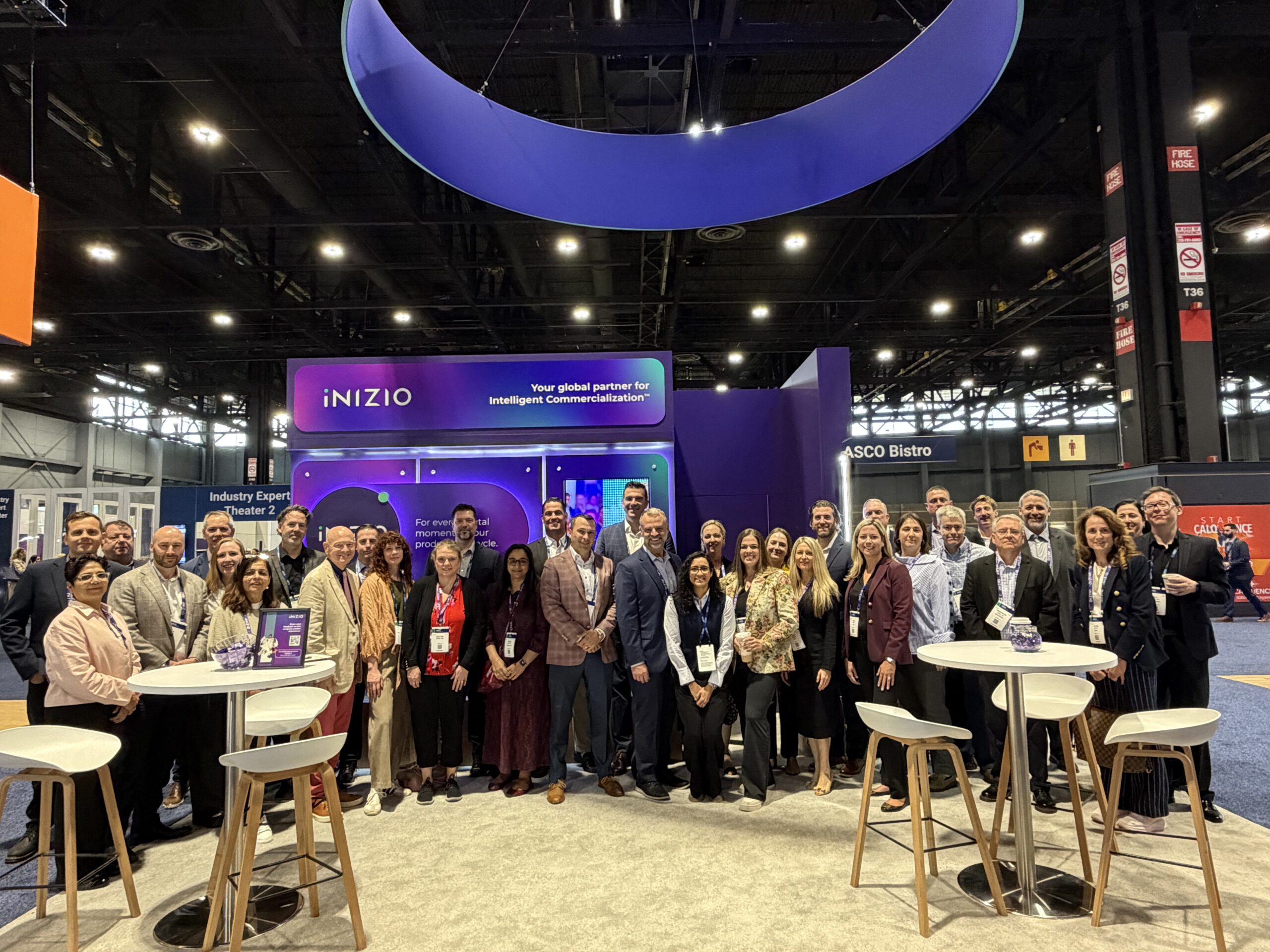
ASCO® is one of the most influential meetings in oncology, bringing together experts from around the world to share the latest scientific breakthroughs, clinical trial data, and treatment advances. This year, more than 200 sessions explored the theme “The Science and Practice of Translation: Improving Cancer Outcomes Worldwide,” highlighting the research, innovations, and real-world challenges shaping cancer care today.
While scientific data always takes center stage, the conversations taking place across ASCO® often reveal where the industry is headed. This year, one theme emerged consistently across sessions and discussions: scientific innovation is accelerating, but translating breakthroughs into patient impact is becoming increasingly complex. As oncology portfolios expand, treatment pathways evolve, and competition intensifies, organizations face a growing number of critical decisions – from identifying the right patients and prioritizing investments to differentiating brands and preparing for launch. Success will increasingly depend on a connected decision spine that links scientific, commercial, market access, and customer insights to enable faster, smarter decisions across the product lifecycle.
Below are some of our key takeaways from ASCO® 2026:
Precision oncology is transforming how cancer is diagnosed and treated.
ASCO®2026 delivered on its theme of translating scientific innovation into real-world, patient-centric care, reinforcing a major shift toward precision oncology. Across multiple tumor types, biomarker-defined therapies, ADCs, bispecifics, and targeted agents continued to move beyond tumor-specific approaches toward treating cancers based on their underlying biology. The meeting highlighted not only the expansion of emerging modalities such as TROP2-directed ADCs and bispecifics into earlier lines of therapy, but also a growing emphasis on earlier molecular detection and intervention, including ctDNA-guided treatment strategies designed to identify resistance, prevent recurrence, and personalized care before clinical progression. Together, this data reinforced a broader trend toward delivering the right treatment to the right patient at the right time across the disease continuum.
John L’Ecuyer, Executive Director, Global Business Development, Inizio Ignite, Putnam, notes: “Nearly half of the studies presented this year were biomarker-driven.”
In lung cancer, some of the most impactful data came from biomarker-selected populations, including remarkable long-term progression-free survival with lorlatinib in ALK-positive NSCLC and significant reductions in recurrence risk with adjuvant selpercatinib in RET-positive disease. Emerging data from next-generation ADCs, bispecifics, and targeted therapies further reinforced the potential for molecularly guided treatment strategies to redefine standards of care in genetically defined patient populations.
Perhaps the most transformative data of the meeting came from Revolution Medicines’ daraxonrasib in pancreatic cancer, which delivered an unprecedented survival benefit by directly targeting RAS in RASolute-302 – long considered undruggable and the primary driver of approximately 90% of PDAC. The findings have the potential to establish a new treatment paradigm and accelerate the shift toward RAS-directed combination and sequencing strategies across the disease.
Scientific innovation is creating new opportunities, and new complexity.
As oncology innovation continues to accelerate, treatment paradigms and stakeholder landscapes are becoming more complex, requiring organizations to maintain strategic focus and coordinated execution.
Reflecting on conversations at ASCO®, Matt Riordan, Group President, Inizio Ignite Putnam, notes: “What is clear with the innovation that is happening today is the personalization of the treatment paradigm continues to evolve in really interesting and dramatic ways and holds promise for a major impact on patients, which is what gets us all out of bed in the morning to support the companies in bringing these products to patients.
With increasing personalization comes increasing complexity, and that means we have to be smart about how we use limited resources to bring these drugs to market so they can have the greatest impact. How do you ensure a coordinated effort across functional areas? How do you not lose sight of your strategy as you address a multitude of different stakeholders in making these innovative technological breakthroughs a clinical reality?”
Launch excellence requires clarity and alignment.
Build one clear brand story across indications and tumor types.
Create a simple, memorable narrative that helps oncologists and patients immediately understand what the brand stands for, regardless of indication expansion or tumor type.
Align all functions behind a single launch message.
Commercial, Medical, and Access teams should work from one unified perspective and common set of priorities, ensuring consistent communication and coordinated execution throughout the launch journey.
Launch excellence is not about doing more, it’s about doing what matters most.
Aligning people, processes, and technology enables teams to focus on the highest-impact activities and bring therapies to patients faster.
Reflecting on conversations at ASCO® Mariah Hanley, Partner, Inizio Ignite, Putnam, notes: “The future will be built around multi-indication portfolio strategies in tumor types that can comprehensively address patients’ needs.”
Data and AI are accelerating precision patient identification.
As precision oncology medicine advances, organizations are increasingly using advanced analytics and AI to better understand treatment pathways, identify eligible patients earlier, and connect them to appropriate therapies more efficiently. The ability to find the right patients faster and support more personalized treatment journeys is becoming a critical competitive advantage as treatment options continue to grow.
AI is transforming launch readiness and decision-making.
Organizations are moving beyond traditional benchmarks and leveraging AI-powered insights to strengthen launch planning across medical, regulatory, access, and commercial functions. By harnessing data, predictive analytics, and benchmarking capabilities with greater precision, teams can identify risks earlier, prioritize investments more effectively, and improve launch readiness across the organization.
As the volume and complexity of oncology data continues to grow, organizations are increasingly turning to AI to accelerate insight generation, improve decision-making, and enhance collaboration across teams. By helping teams access and act on information more efficiently, AI can drive measurable business impact while enabling organizations to respond more quickly to the needs of healthcare providers and patients.
Reflecting on themes and discussion, Jo Ann Saitta, Global Head of Data Strategy, Analytics, and AI at Inizio Ignite notes: “I’m really excited about the AI-tools and the real-world data we can use to find patients quicker and retain them once we have them. So, understanding the granular patient journey, different escalations of therapy for oncology and using data to find those treaters and to get patients on therapy faster. It’s one of my calls to action coming out of ASCO®.”
The Bottom Line
The pace of innovation in oncology shows no signs of slowing. But scientific advancement alone is not enough.
As Brian Stamm, Consulting Executive and Product Launch Practice Lead, Inizio Ignite, Vynamic, explains: “It is about focusing investment and effort on the activities that truly move the needle, rather than trying to do everything at once. Success comes from doing the right things for your organization, your stakeholders, and ultimately the patients who will benefit from the therapies you’re bringing to market.”
As portfolios become more complex and competition intensifies, companies will need clearer portfolio strategies, differentiated brand narratives, coordinated launch execution, and smarter use of data and AI to translate innovation into impact.
Jeremy Smith, US President, Inizio Ignite, Research Partnership, shares: “What Inizio Ignite represents is something that the industry actually needs right now to go from strategy, to execution, to evaluation, all without losing the thread – because in oncology, that thread is everything.”
What do these trends mean for your portfolio, pipeline, or upcoming launch? Connect with the Inizio Ignite team to continue the conversation.