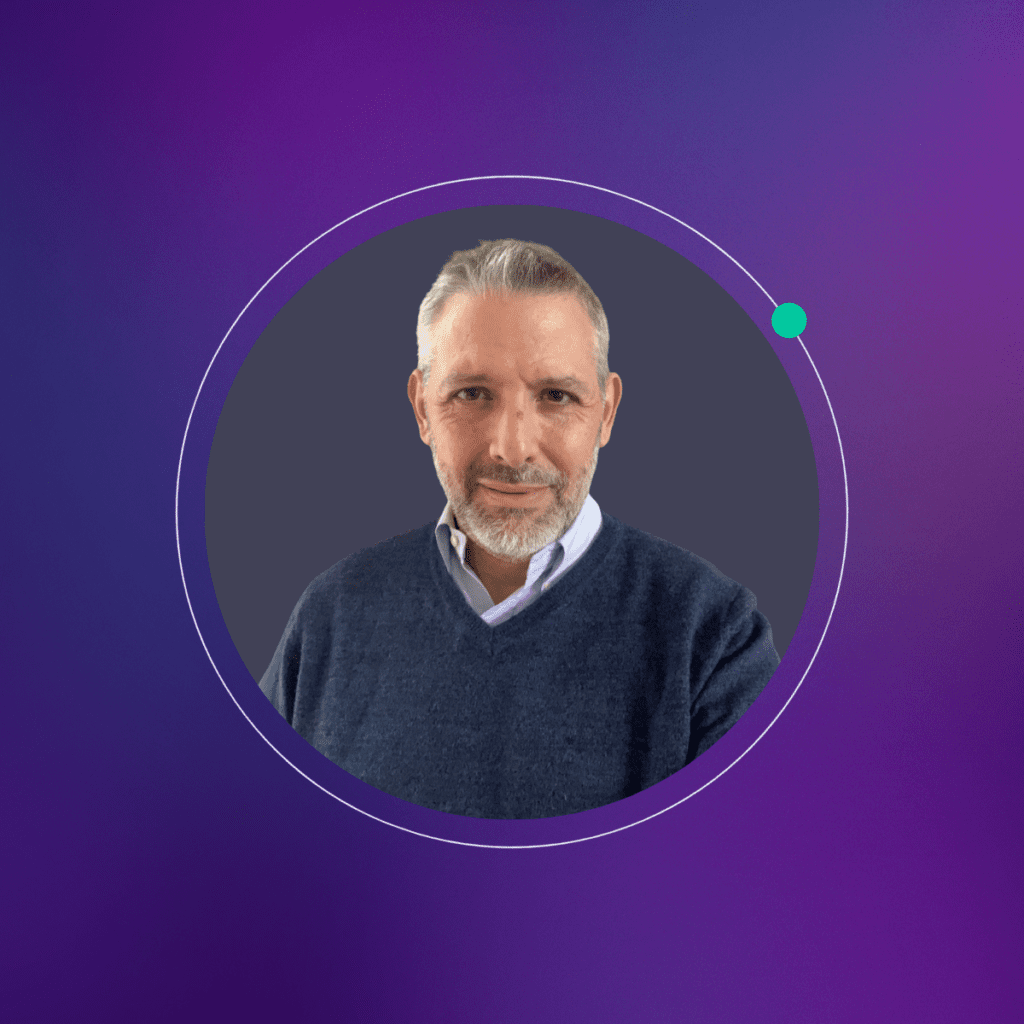
In 2026, the non-small cell lung cancer (NSCLC) patient journey begins with biomarker testing and winds down a path cluttered with new treatments. Alexis Cogswell, VP, Real-World Insights at Inizio Medical, explores why these advances alone are not enough. For medical oncologists practicing outside major academic cancer centers, the challenge is not simply knowing that these advances exist. It is integrating them into everyday care.
Access Shapes the Patient Journey
In the United States there is a clear difference between academic and community practices and it’s one that comes down to access and affordability. In general, physicians who practice in academic settings tend to have better access to experts, faster turnaround times for biomarker testing, access to multidisciplinary tumor boards, regular outreach from pharmaceutical representatives and educators. and a clear path to clinical trials. With this improved access one might assume that being treated at a university hospital is the best way to ensure quality cancer care. However, that’s not always the case.
Where Patients Are Treated Matters
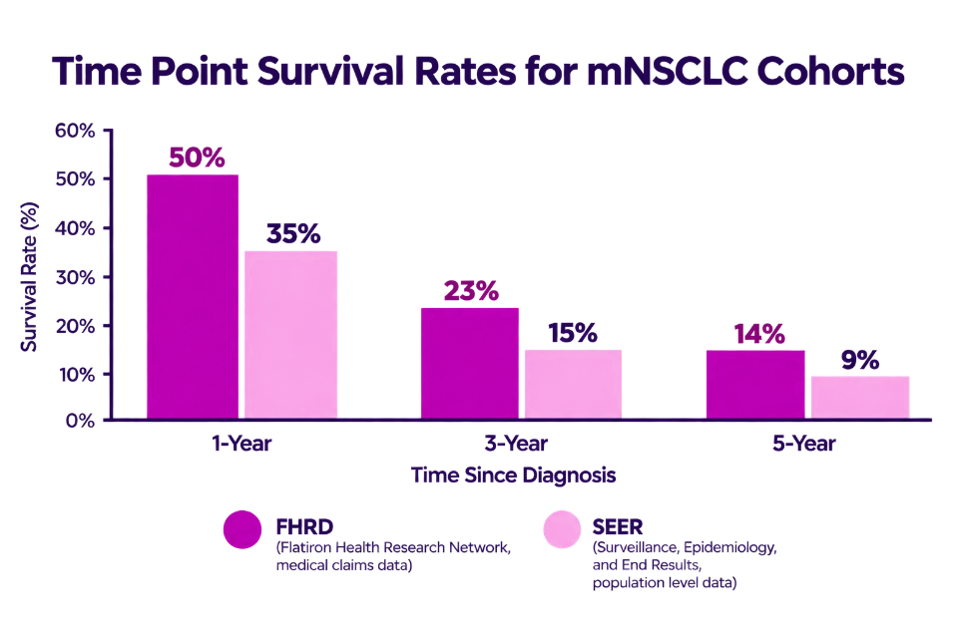
A recent Community Oncology Alliance study compared patient outcomes from community practices with national averages using population-level survival data (SEER) and medical claims (FHRD). This research showed that patients with NSCLC treated in community practice have better than expected survival outcomes and that these improved outcomes are linked to proximity to care. Simply put, when patients with cancer are treated at home, the response to treatment is often better.
Innovation Has to Work in the Real World
For life sciences companies, the goal of improving patient lives through the development of innovative therapies is noble; but in a vacuum, innovation is short-sighted. Truly improving patient lives through innovation requires a head-on approach to challenges faced by physicians practicing in academic and community settings and means answering questions like: Can all patients access testing & treatment? How should toxicities be managed? And what happens when insurance, staffing, or referral pathways create delays?
Invite Community Perspectives Into Clinical Development Early
Answering these questions starts with Real-World iNSIGHTS, insights from community physicians on the topics that matter most in clinical development .
Ready to bring community physician insights into your clinical development and real-world evidence planning? Contact us to discuss partnering on Real-World iNSIGHTS.