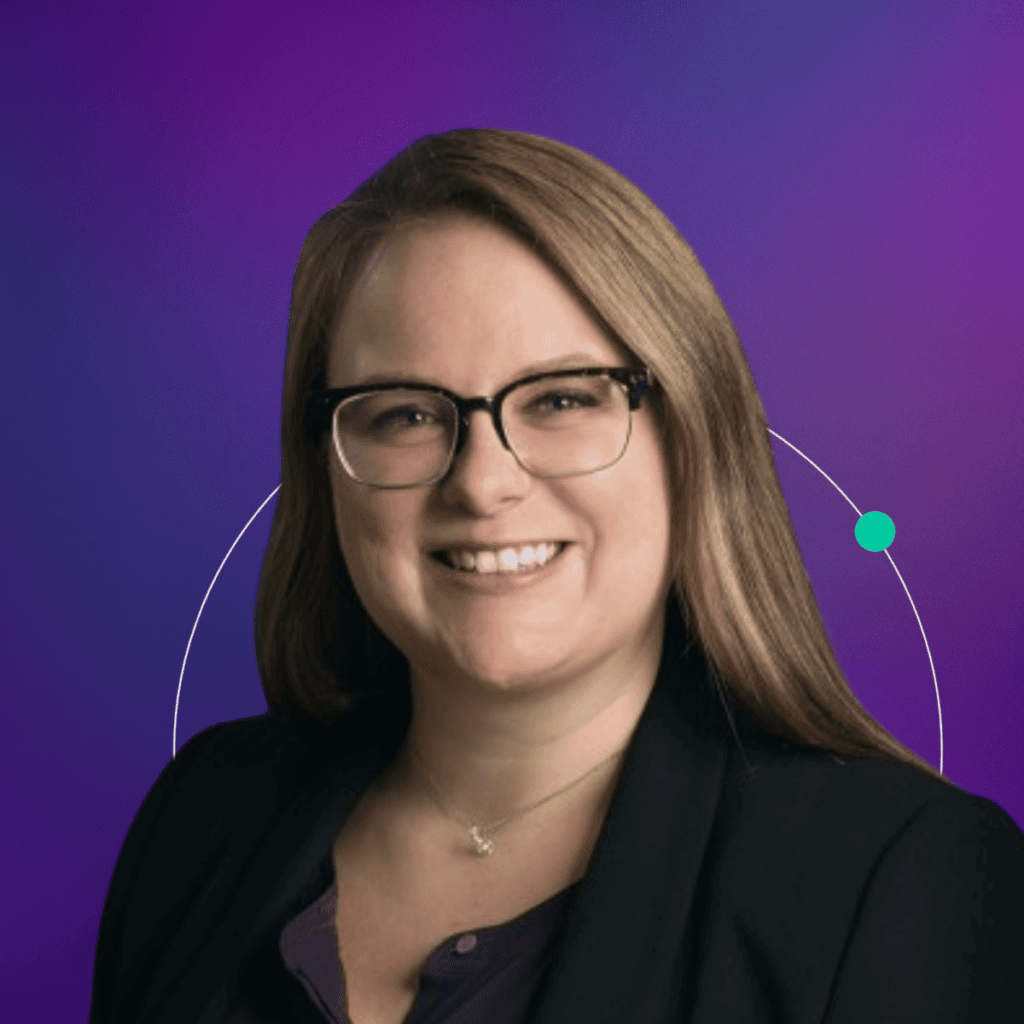
In a recent interview with Pharma Exec, Elaine Ferguson, Global President of Inizio Medical, explores how pharma leadership can support talent development, use AI to augment the workforce, encourage continuous learning and experimentation, and create a more patient-centric culture.
What are successful strategies for upskilling and maintaining pharma talent?
Within Inizio, we have 10,900 employees worldwide. We are a people-based business, which means our people and our people strategies are critical to our overall success as an industry and as a business.
As part of our talent strategy, it is essential that we identify leading talent across the organization and have clear mechanisms in place to nurture those individuals — to provide them with the skills they need, and the opportunities to collaborate and connect with similarly high-potential talent across the entire organization.
We are made up of four distinct businesses and our promise to clients — to provide end-to-end service and solutions — depends on our ability to connect expertise and talent across all 10,900 employees. That cross-functional connectivity is not just a people strategy priority; it is fundamental to how we deliver value.
Watch the video here.
What impact is AI having on pharma leadership?
We talk about AI across all of our business — both in terms of the opportunities it creates and the risks it introduces in how we deliver for clients. We cannot unlock that value through technology alone. What is critical is combining our technology capabilities with our human expertise. At Inizio, we believe our uniqueness and our value depend on that combination — bringing together our experts and the advances in AI to create opportunities that neither could deliver independently.
One of the most important elements of how we apply this in practice is deconstructing our workflows. That means identifying the specific tasks within a workflow and then aligning each task to the right combination of talent and AI capability. By doing this across our global workforce, we can both understand where AI tools add the most value and augment our people’s work in the areas where those tools are most effective.
This approach extends beyond project delivery. We are also applying AI and automation across our support functions. Most recently, we have seen meaningful success in transforming our finance operations — deploying automation in a way that brings greater sophistication and efficiency to how we support our employees and conduct our business more broadly.
Watch the video here.
How important is it for pharma leadership to prioritize continuous learning and experimentation?
Inizio is a broad organization with a broad range of skill sets, which means ensuring our employees have access to the best training, development opportunities, and connections across the organization is critical to how we operate.
When we think about ongoing learning and development, we approach it in two ways. First, it is about providing the skills and competencies our talent needs to perform their roles at the highest level. But it goes beyond that. It is equally important that we are connecting individuals and expertise across different functions, different geographies, and different parts of the business. We think about development both in terms of building skills and in terms of building connections.
One program where we have had significant success is our Accelerator Leader and Manager Program, which we designed and have been running for the last three years. In that time, more than 320 individuals have gone through the program. It is an intensive multi-month experience in which participants work in cohort groups with access to leadership training, individual coaching, and AI tools to augment and support how they perform their roles.
The element our participants consistently identify as the most valuable is the opportunity to work in small cross-functional pods — groups of six or seven individuals drawn from across the entire organization. Each pod comes together to address a real business challenge. Those challenges vary: how we improve collaboration and connect expertise across the organization, how we unlock value for clients, or how we work more effectively as a business. What makes it powerful is that everyone brings a distinct set of expertise, and the group draws on all of it collectively to reach an answer.
At the end of the program, participants present their findings to the leadership team. We have an opportunity to challenge their thinking, and they have an opportunity to defend it. Several of the ideas generated through this process have since been adopted and deployed as part of our overall roadmap for creating value as an organization.
Watch the video here.
How does the shift towards a patient-centric culture impact the workforce?
We are united by a shared passion and mission: to make a meaningful difference for both our clients and the patients they serve. Most, if not all, of the people who join us do so because that sense of purpose is their primary motivation. We take that seriously — not only in how we design our people strategy, but in the opportunities we create for our talent across every geography where we operate.
A significant part of that is ensuring we give time back. We create space for our people to contribute to causes that matter to them — whether that is working with nonprofit organizations, contributing to healthcare, science, or medicine in ways that extend beyond their day-to-day roles, or coming together as an organization to support charitable initiatives. Making a meaningful difference in the industry is not just something we aspire to as a company — it is something we actively try to enable for every individual who works here.
Watch the video here.